
Admission opens for 2026-27 sessions for all university.

Blog Detail

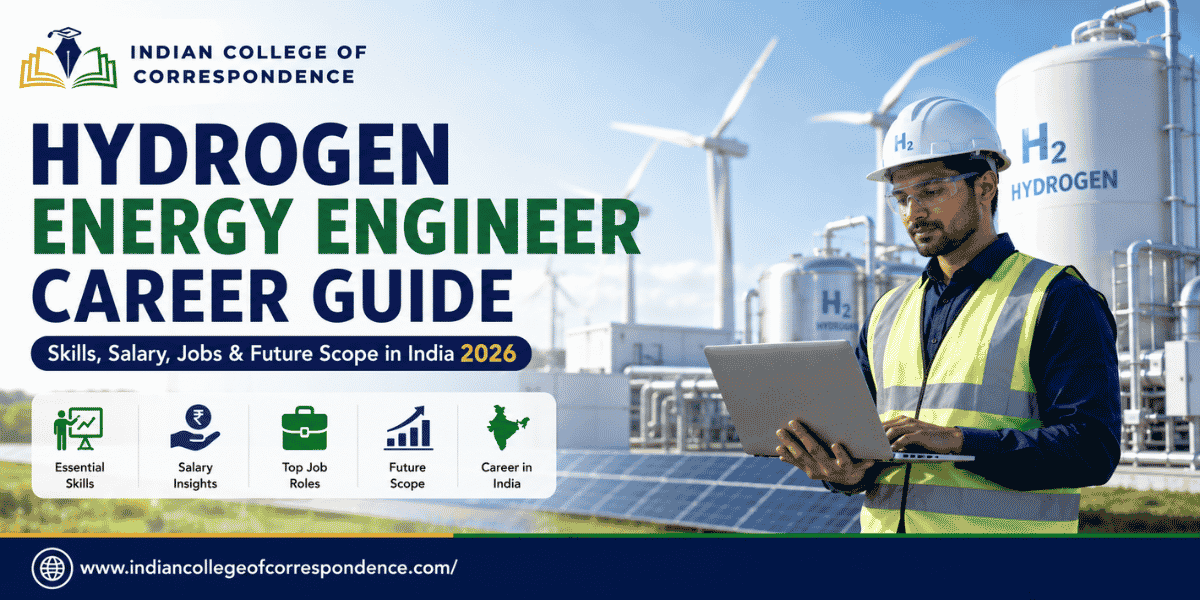
  • Hydrogen Energy Engineer Career Guide: Skills, Salary, Jobs & Future Scope in India 2026

    • 09,Jul 2026
    • Posted By : opsadsthrivein@gmail.com opsadsthrivein@gmail.com
    • 0 Comments
    • B.Tech correspondence college in India
    • Engineering distance education
    • M.Tech correspondence college in Karnataka
    • Science distance education in Bangalore
    Hydrogen Energy Engineer Career opportunities are growing rapidly as the world shifts toward clean, renewable, and sustainable energy solutions. Governments and private organizations are investing billions of dollars in hydrogen technology to reduce carbon emissions and achieve net-zero targets. In India, the National Green Hydrogen Mission has created exciting career opportunities for engineers who want to contribute to the future of energy. A Hydrogen Energy Engineer Career offers excellent salary packages, global job opportunities, research prospects, and long-term professional growth. Whether you are a science student or an engineering graduate, this career combines innovation, sustainability, and advanced technology, making it one of the most future-proof engineering professions in 2026.

    What is a Hydrogen Energy Engineer?

    A Hydrogen Energy Engineer is a professional who designs, develops, tests, and manages technologies related to hydrogen production, storage, transportation, and utilization. Their primary goal is to develop efficient hydrogen-based energy systems that reduce dependence on fossil fuels while supporting environmentally friendly power generation. Hydrogen Energy Engineers work on technologies such as fuel cells, electrolysis systems, hydrogen storage tanks, renewable energy integration, and industrial hydrogen applications. They collaborate with mechanical, chemical, electrical, and environmental engineers to create safe and efficient hydrogen energy solutions. As industries increasingly adopt green energy initiatives, the demand for professionals pursuing a Hydrogen Energy Engineer Career continues to grow across both public and private sectors. Some key responsibilities include:
    • Designing hydrogen production plants
    • Developing fuel cell technologies
    • Improving hydrogen storage systems
    • Conducting energy efficiency analysis
    • Ensuring industrial safety compliance
    • Supporting renewable energy integration
    • Managing hydrogen infrastructure projects
    • Performing research and innovation
    Professionals in this field contribute directly to reducing carbon emissions and building a sustainable future.

    Why Hydrogen Energy is Creating Massive Career Opportunities?

    Hydrogen has become one of the world’s most promising clean fuels because it produces zero carbon emissions when used in fuel cells. Governments across the globe are investing heavily in hydrogen technology to achieve climate goals while reducing dependence on conventional fossil fuels. India has also launched the National Green Hydrogen Mission, encouraging industries to adopt hydrogen as a clean energy source. This initiative has significantly increased the demand for engineers, researchers, and technology specialists. Several factors are driving the rapid growth of the Hydrogen Energy Engineer Career:
    • Expansion of renewable energy projects
    • Government clean energy initiatives
    • Rising investments in hydrogen infrastructure
    • Increasing adoption of fuel-cell vehicles
    • Growing industrial decarbonization efforts
    • Demand for sustainable manufacturing
    • International collaborations on green hydrogen
    • Rising employment in clean energy sectors
    Global organizations predict that hydrogen technology will create millions of new jobs over the next decade, making this an excellent career choice for engineering graduates.

    Types of Hydrogen and Career Opportunities

    Hydrogen Type Production Method Career Scope
    Green Hydrogen Renewable Energy Electrolysis Excellent
    Blue Hydrogen Natural Gas with Carbon Capture High
    Grey Hydrogen Natural Gas Processing Moderate
    Pink Hydrogen Nuclear Energy Emerging
    Turquoise Hydrogen Methane Pyrolysis Growing

    Hydrogen Energy Engineer Courses

    Building a successful Hydrogen Energy Engineer Career begins with selecting the right educational pathway. Since hydrogen technology combines multiple engineering disciplines, students should develop strong knowledge in mechanical engineering, chemical engineering, electrical engineering, renewable energy, and environmental science. Many students begin with undergraduate engineering programs before pursuing specialized certifications or postgraduate degrees in renewable energy and hydrogen technologies. Students interested in flexible learning can strengthen their technical foundation through Engineering distance education while simultaneously gaining practical knowledge through internships, industrial training, and certification programs. Some popular educational pathways include:
    • B.Tech in Mechanical Engineering
    • B.Tech in Chemical Engineering
    • B.Tech in Electrical Engineering
    • B.Tech in Energy Engineering
    • Renewable Energy Engineering Programs
    • Hydrogen Technology Certification Courses
    • Fuel Cell Technology Courses
    • Green Energy Management Programs
    Students pursuing a B.Tech correspondence college in India can also build strong engineering fundamentals before specializing in hydrogen technologies through professional certifications and practical industry projects. In addition to formal education, learners should focus on gaining expertise in:
    • Renewable Energy Systems
    • Fuel Cell Design
    • Hydrogen Production Technologies
    • Industrial Safety
    • Energy Storage Systems
    • Process Engineering
    • CAD Software
    • Simulation Tools
    • Project Management
    Practical exposure through laboratory work, research projects, and industrial visits greatly improves employability and prepares students for real-world engineering challenges. As hydrogen adoption accelerates across industries, professionals who continuously upgrade their technical knowledge will enjoy excellent career growth and global employment opportunities in the clean energy sector.

    How to Become a Hydrogen Energy Engineer?

    A successful Hydrogen Energy Engineer Career requires a combination of technical education, practical experience, and continuous learning. Since hydrogen technology is an interdisciplinary field, aspiring engineers should build expertise in engineering, renewable energy systems, chemistry, and environmental sustainability. Following a structured roadmap can help students enter this high-growth profession with confidence.

    Step 1: Complete Your Higher Secondary Education

    Choose the Science stream with Physics, Chemistry, and Mathematics after Class 10. A strong understanding of these subjects creates the foundation for engineering and hydrogen technology.

    Step 2: Earn an Engineering Degree

    Pursue a bachelor’s degree in:
    • Mechanical Engineering
    • Chemical Engineering
    • Electrical Engineering
    • Energy Engineering
    • Environmental Engineering
    Students completing a Diploma in Engr correspondence college in India can also build practical technical knowledge before pursuing higher qualifications or entering the renewable energy sector.

    Step 3: Learn Hydrogen Technologies

    Gain expertise in:
    • Green Hydrogen Production
    • Electrolysis Systems
    • Fuel Cell Technology
    • Hydrogen Storage
    • Energy Conversion
    • Renewable Power Integration
    • Carbon Reduction Technologies
    Specialized certifications significantly improve employability.

    Step 4: Build Practical Experience

    Hands-on learning is essential. Gain experience through:
    • Industrial Internships
    • Renewable Energy Projects
    • Hydrogen Research Labs
    • Government Research Centers
    • Engineering Workshops
    • Live Industry Projects
    Practical exposure helps employers evaluate your real-world engineering capabilities.

    Step 5: Continue Higher Education

    Students aiming for research, leadership, or specialized engineering roles should pursue postgraduate education. Programs such as M.Tech correspondence college in Karnataka provide opportunities to deepen technical expertise in renewable energy, process engineering, and advanced energy systems. Higher education also opens doors to research institutions, multinational companies, and government energy projects.

    Hydrogen Energy Engineer Skills

    To build a successful Hydrogen Energy Engineer Career, professionals must develop a combination of engineering expertise, renewable energy knowledge, and strong analytical skills.

    Technical Skills

    • Hydrogen Production Technologies
    • Electrolysis Systems
    • Fuel Cell Engineering
    • Renewable Energy Integration
    • Chemical Process Engineering
    • Thermodynamics
    • Fluid Mechanics
    • CAD & Simulation Software
    • Industrial Safety Standards
    • Project Management
    • Energy Storage Technologies
    • Process Optimization

    Soft Skills

    • Critical Thinking
    • Problem Solving
    • Communication
    • Leadership
    • Team Collaboration
    • Innovation
    • Time Management
    • Research Skills
    • Adaptability
    Professionals who regularly update their knowledge through certifications and industry training remain highly competitive in the evolving hydrogen energy sector.

    Hydrogen Energy Journal

    Reading research publications and industry journals is one of the best ways to stay updated with the latest advancements in hydrogen technology. These journals publish findings on fuel cells, hydrogen storage, renewable energy systems, electrolysis, and sustainable engineering practices. Popular journals and research resources include:
    • International Journal of Hydrogen Energy
    • Hydrogen Journal
    • Renewable Energy Journal
    • Energy Conversion and Management
    • Nature Energy
    • IEEE Energy Publications
    • Journal of Cleaner Production
    • Elsevier Energy Journals
    Students pursuing Science distance education in Bangalore can use these journals to strengthen their academic understanding, explore current research trends, and improve their analytical and technical knowledge. Reading scientific literature also supports higher education, project work, and innovation in renewable energy engineering.

    Hydrogen Energy Engineer Salary by Experience

    Experience Job Role Average Salary
    0–2 Years Graduate Engineer Trainee ₹5–8 LPA
    2–5 Years Hydrogen Energy Engineer ₹8–15 LPA
    5–10 Years Senior Hydrogen Engineer ₹15–30 LPA
    10+ Years Hydrogen Project Manager ₹30–50 LPA+

    Hydrogen Energy Engineer salary

    The Hydrogen Energy Engineer salary is becoming increasingly attractive as the renewable energy sector expands. Since hydrogen technology is still an emerging field, skilled professionals are in high demand, allowing engineers to command competitive salary packages.

    Average Salary in India

    Experience Salary Range
    Fresher ₹5–8 LPA
    2–5 Years ₹8–15 LPA
    5–10 Years ₹15–30 LPA
    Senior Professionals ₹30–50 LPA+
    Apart from annual salary, professionals may receive:
    • Performance Bonuses
    • Research Incentives
    • Project-Based Rewards
    • International Assignments
    • Leadership Incentives
    • Stock Options (ESOPs)
    Graduates pursuing a distance Msc degree college in bangalore or advanced engineering qualifications often improve their earning potential by specializing in hydrogen production, fuel cell technology, and renewable energy research.

    Industries Hiring Hydrogen Energy Engineers

    As India and many other countries transition toward sustainable energy solutions, employment opportunities for Hydrogen Energy Engineers continue to expand. Major hiring sectors include:
    • Renewable Energy Companies
    • Oil & Gas Industries
    • Chemical Manufacturing
    • Automobile & EV Companies
    • Aerospace & Defense
    • Government Energy Missions
    • Research & Development Centers
    • Power Generation Companies
    • Infrastructure Projects
    • Environmental Consulting Firms
    Top recruiters include:
    • NTPC Green Energy
    • Indian Oil Corporation
    • Bharat Petroleum
    • Hindustan Petroleum
    • Reliance Industries
    • Adani Green Energy
    • Tata Power
    • L&T Energy
    • Siemens Energy
    • Shell
    • Air Liquide
    • GAIL India
    These organizations seek professionals with strong engineering knowledge, practical experience, and a passion for developing clean energy technologies.

    Hydrogen Gas Energy

    Hydrogen gas energy is emerging as one of the most promising alternatives to fossil fuels because it is clean, efficient, and environmentally friendly. When hydrogen is used in fuel cells, it produces electricity while emitting only water vapor, making it an ideal solution for reducing greenhouse gas emissions. Countries around the world are investing heavily in hydrogen infrastructure to achieve carbon neutrality and meet climate goals. The applications of hydrogen gas energy continue to expand across multiple industries, including:
    • Electric Vehicles (Fuel Cell Vehicles)
    • Public Transportation
    • Aviation
    • Shipping
    • Steel Manufacturing
    • Fertilizer Production
    • Power Generation
    • Smart Cities
    • Industrial Heating
    • Energy Storage Systems
    As industries transition toward sustainable energy sources, professionals pursuing a Hydrogen Energy Engineer Career will play a vital role in designing, developing, and maintaining hydrogen production plants, fuel cell systems, and renewable energy infrastructure. This growing adoption is expected to create thousands of engineering jobs in India and across the globe over the next decade.

    Future Scope of Hydrogen Energy Engineer Career in India

    The future of a Hydrogen Energy Engineer Career is exceptionally bright as India accelerates its transition toward clean energy. Through initiatives such as the National Green Hydrogen Mission, the government aims to make India a global hub for green hydrogen production and exports. Massive investments from both public and private sectors are creating new opportunities for engineers, researchers, and technology professionals. Some key factors driving future demand include:
    • National Green Hydrogen Mission
    • Expansion of Renewable Energy Projects
    • Net Zero Carbon Targets
    • Growth of Electric Mobility
    • Green Manufacturing Initiatives
    • International Hydrogen Partnerships
    • Smart Cities Development
    • Industrial Decarbonization
    • Hydrogen Export Opportunities
    • Increasing Research & Innovation
    Experts estimate that the clean energy sector will generate thousands of engineering jobs in the coming years. Professionals with expertise in hydrogen production, fuel cell technology, renewable energy systems, and sustainable engineering will be among the most sought-after talent worldwide. A Hydrogen Energy Engineer Career therefore offers not only excellent salary potential but also long-term job stability and international career opportunities.

    Why Choose ICC?

    Choosing the right educational guidance is essential for building a successful engineering career. ICC supports students and working professionals by helping them explore flexible educational pathways that align with current industry requirements. Whether learners are beginning their engineering journey or planning higher studies, ICC provides guidance on admissions, career planning, and professional development. Students interested in Engineering distance education can strengthen their technical knowledge while balancing academic and professional commitments. Those planning advanced studies through M.Tech correspondence college in Karnataka or specialized renewable energy programs can also benefit from expert counseling and course selection guidance. ICC encourages learners to combine academic qualifications with certifications, internships, research projects, and practical experience to remain competitive in emerging sectors such as hydrogen energy, renewable technologies, and sustainable engineering.

    Conclusion

    A Hydrogen Energy Engineer Career is becoming one of the most exciting and future-ready professions in the renewable energy sector. As governments and industries invest heavily in green hydrogen technologies, the demand for skilled engineers continues to increase. Professionals in this field contribute to developing cleaner energy solutions, reducing carbon emissions, and supporting global sustainability goals. With the right educational background, practical experience, and continuous skill development, aspiring engineers can build rewarding careers in hydrogen production, fuel cell technology, and renewable energy infrastructure. Whether working in research, manufacturing, energy companies, or government organizations, a Hydrogen Energy Engineer Career offers excellent salaries, global opportunities, and long-term professional growth in one of the world’s fastest-growing industries.
    Ready to Build Your Career in Clean Energy?
    The future belongs to renewable energy, and hydrogen technology is leading this transformation. Indian College of Correspondence helps students and working professionals explore flexible engineering programs, higher education opportunities, and career guidance that support emerging industries. Build the right technical foundation, gain industry-relevant knowledge, and prepare yourself for exciting careers in hydrogen energy, renewable engineering, and sustainable technology. Start your journey today with ICC and become part of India’s clean energy revolution!

    FAQs

    1. What does a Hydrogen Energy Engineer do?

    A Hydrogen Energy Engineer designs, develops, and manages technologies used for hydrogen production, storage, transportation, and utilization. These professionals work on fuel cells, electrolysis systems, hydrogen refueling infrastructure, and renewable energy integration to create efficient and sustainable energy solutions. Their responsibilities include conducting research, improving hydrogen production efficiency, ensuring industrial safety, testing new technologies, and managing clean energy projects. They also collaborate with chemical, mechanical, and electrical engineers to develop innovative hydrogen-powered systems. Students pursuing Engineering distance education can build strong technical knowledge while enhancing their practical skills through certifications, internships, and industry-focused projects that prepare them for this rapidly growing engineering field.

    2. Is Hydrogen Energy Engineering a good career in India?

    Yes. Hydrogen Energy Engineering is emerging as one of India’s most promising engineering careers because the country is investing heavily in green energy through initiatives like the National Green Hydrogen Mission. As industries adopt sustainable technologies, the demand for qualified Hydrogen Energy Engineers continues to grow across power generation, transportation, manufacturing, and research sectors. Professionals in this field enjoy competitive salaries, global career opportunities, and long-term job stability. Students studying through a B.Tech correspondence college in India can strengthen their engineering fundamentals while pursuing certifications and practical training that improve employability in renewable energy and hydrogen technology industries.

    3. What skills are required to become a Hydrogen Energy Engineer?

    A successful Hydrogen Energy Engineer needs expertise in renewable energy systems, hydrogen production technologies, electrolysis, fuel cell engineering, chemical processes, thermodynamics, process design, and energy storage systems. Knowledge of simulation software, CAD tools, project management, and industrial safety standards is also highly valuable. Alongside technical knowledge, professionals require analytical thinking, teamwork, communication, leadership, and problem-solving abilities to manage complex engineering projects effectively. Since hydrogen technology evolves rapidly, continuous learning is essential. Students pursuing Science distance education in Bangalore can develop strong scientific knowledge and analytical skills that provide an excellent foundation for advanced engineering studies and careers in hydrogen energy.

    4. What is the average Hydrogen Energy Engineer salary in India?

    Hydrogen Energy Engineers receive attractive salary packages because of their specialized expertise and the growing demand for clean energy professionals. Fresh graduates generally earn between ₹5–8 LPA, while professionals with two to five years of experience can earn ₹8–15 LPA. Senior engineers, technical specialists, and project managers often receive salaries ranging from ₹15–50 LPA or even higher in multinational organizations. Additional benefits such as research grants, bonuses, international assignments, and performance incentives further increase earning potential. Students pursuing M.Tech correspondence college in Karnataka can improve their qualifications and enhance long-term salary prospects by specializing in advanced renewable energy and hydrogen technologies.

    5. Which companies hire Hydrogen Energy Engineers?

    Hydrogen Energy Engineers are employed by leading renewable energy companies, oil and gas organizations, automotive manufacturers, chemical industries, government agencies, and research institutions. Top recruiters include NTPC Green Energy, Indian Oil Corporation, BPCL, HPCL, Reliance Industries, Tata Power, Adani Green Energy, Siemens Energy, L&T, Shell, Air Liquide, GAIL India, and several clean energy startups. These organizations seek professionals capable of designing hydrogen systems, managing fuel cell projects, and supporting sustainable energy initiatives. Students completing a Diploma in Engr correspondence college in India can strengthen their technical skills and prepare for rewarding careers in these rapidly expanding industries through continuous learning and industry exposure.

    6. Which degree is best for Hydrogen Energy Engineering?

    Students interested in Hydrogen Energy Engineering should pursue undergraduate degrees in Mechanical Engineering, Chemical Engineering, Electrical Engineering, Energy Engineering, Environmental Engineering, or Renewable Energy Engineering. These programs provide the scientific and technical foundation required for developing hydrogen technologies and sustainable energy systems. Many professionals also pursue postgraduate degrees specializing in hydrogen technology, fuel cells, renewable energy, or energy management to enhance their expertise. Practical training, internships, and research projects further improve employability. Students studying through a distance Msc degree college in bangalore can strengthen their research capabilities while preparing for advanced roles in hydrogen energy, clean technology, and scientific innovation.

    7. What are the future opportunities in Hydrogen Energy?

    The future of hydrogen energy is extremely promising as governments and private industries worldwide continue investing in carbon-neutral technologies. Hydrogen is expected to play a major role in transportation, aviation, shipping, power generation, heavy manufacturing, fertilizer production, and industrial decarbonization. This growing adoption will create thousands of opportunities for engineers, researchers, project managers, and renewable energy specialists. Professionals with expertise in hydrogen production, fuel cells, and sustainable engineering can expect excellent career growth and international opportunities. Students pursuing Engineering distance education can prepare for these future-focused careers by combining academic learning with certifications, internships, and hands-on industry experience.

    8. Why should students choose ICC for educational guidance?

    ICC helps students and working professionals explore flexible educational opportunities that align with emerging engineering and technology careers. The institution provides guidance on admissions, course selection, higher education planning, and career development while encouraging learners to combine academic qualifications with practical experience, professional certifications, and industry projects. ICC supports individuals who wish to upgrade their technical skills without interrupting their professional commitments. Students interested in Engineering distance education can benefit from ICC’s flexible learning approach, expert counseling, and career-oriented guidance, enabling them to prepare confidently for future careers in hydrogen energy, renewable technologies, and sustainable engineering.

Leave A Comment